hpo economic commentary, 3rd quarter 2026
Can the economy withstand geopolitical crises?
Key takeaways
Order intake in Germany’s mechanical engineering sector rose by 10.7 % year on year in the first quarter, confirming the positive momentum. Leading indicators also point to a further recovery in demand. However, demand remains low in absolute terms, and not all segments of the mechanical engineering sector are benefiting from the current upturn.
The economy is proving resilient in the face of geopolitical uncertainty, with economic growth remaining broadly stable. Global GDP is expected to grow by around 3 % in 2026.
High inflation is making interest rate rises necessary in many advanced economies, which is likely to weigh somewhat on economic growth.
Consumer spending is providing support in Europe. The number of new passenger car registrations in Europe is also picking up again, rising by 8 % year on year in Q2. At the same time, Chinese brands are continuing to push into the European market despite high import tariffs. According to current estimates, China is set to export more cars to Germany than Germany exports to China for the first time this year.
China’s economic growth is slowing further, to 4.6 % this year. Weak consumer spending and the lingering property crisis are not the only factors weighing on growth. Fixed-asset investment has also been declining for several months, while exports continue to rise strongly.
Calls for European countervailing tariffs to curb the flood of Chinese exports are growing louder. However, Europe would be better served by focusing primarily on improving its own business environment and using new trade barriers only very sparingly. Such measures often come with significant unintended consequences.
Below you will find the full version of the hpo Economic Commentary for the third quarter of 2026.
Share article
Demand in the mechanical engineering sector continues to rise
After 14 consecutive quarters of decline, the 12-month moving average for Germany’s mechanical engineering sector has now risen for the third quarter in a row. The hoped-for turnaround from the demand trough in mid-2025 has materialised and has now been confirmed once again. According to data from Germany’s Federal Statistical Office, Destatis, real order intake in the German mechanical engineering sector rose by 10.7% year on year in the second quarter. Domestic demand was somewhat more subdued, but still increased by 3.4% compared with the same period last year.
US machinery manufacturers also recorded strong growth in orders, with order intake up 9.5% year on year.
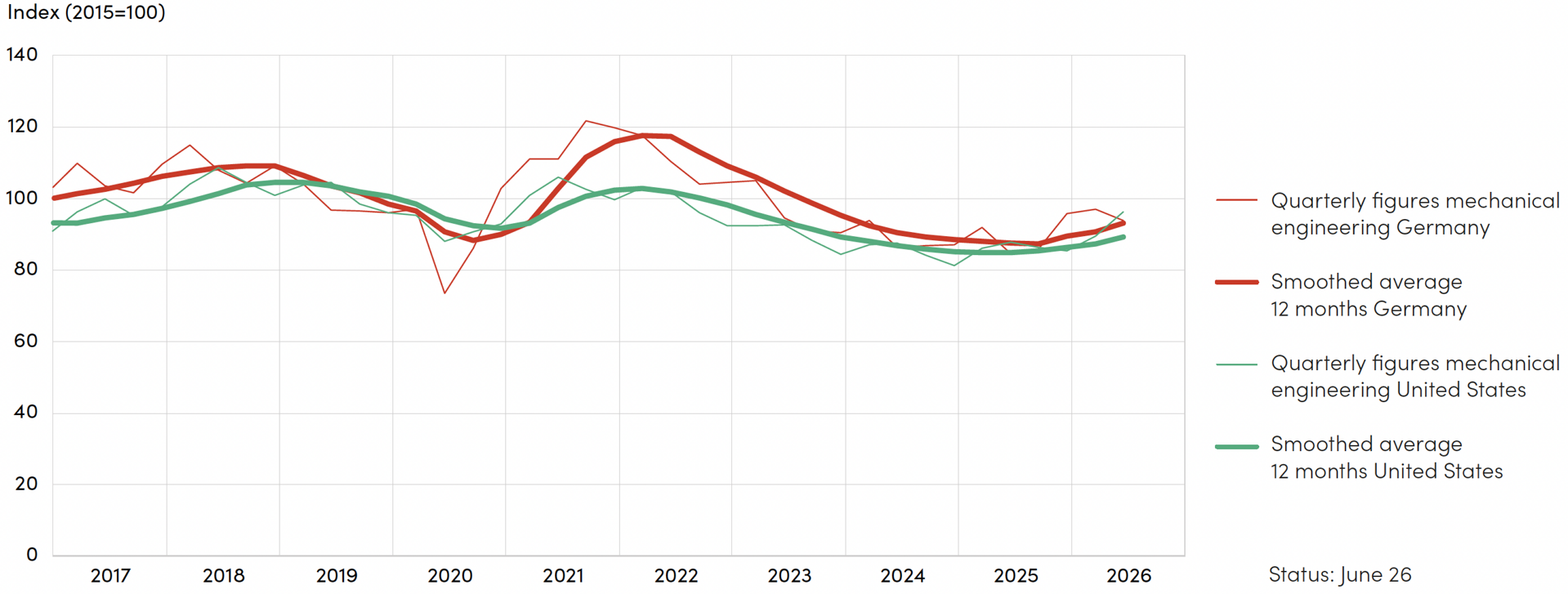
Figure 1: Real order intake in the mechanical engineering sector in Germany and the United States Source: Destatis and US Census Bureau data, illustration by hpo forecasting
Confidence for the coming months is also supported by the Purchasing Managers’ Indices (PMIs) for manufacturing, which have risen in both Europe and the United States in recent months. Most readings are now above the 50-point threshold, signalling expansion. The leading indicator for industry calculated by hpo forecasting, which is derived from the rate of change in industrial production, has also been pointing to moderate growth for some time. These are important and encouraging signals.
Significant differences between segments of Germany’s mechanical engineering sector
Among Germany’s mechanical engineering segments, manufacturers of internal combustion engines and turbines not used in road vehicles or aircraft have benefited from strongly rising demand for the past four years, with growth accelerating further in recent months. One reason is the boom in data centres, which require reliable back-up power. Large diesel generators, for example, are therefore in particularly strong demand.
The same applies to manufacturers of cooling equipment, which is equally essential for data centres.
Manufacturers of mining and construction machinery already saw demand pick up in 2025. Since then, however, some of that momentum has faded and demand has moved broadly sideways. The major investment programmes announced for Europe’s infrastructure have yet to materialise, with corresponding consequences for construction machinery manufacturers. Even so, the longer-term growth outlook remains intact.
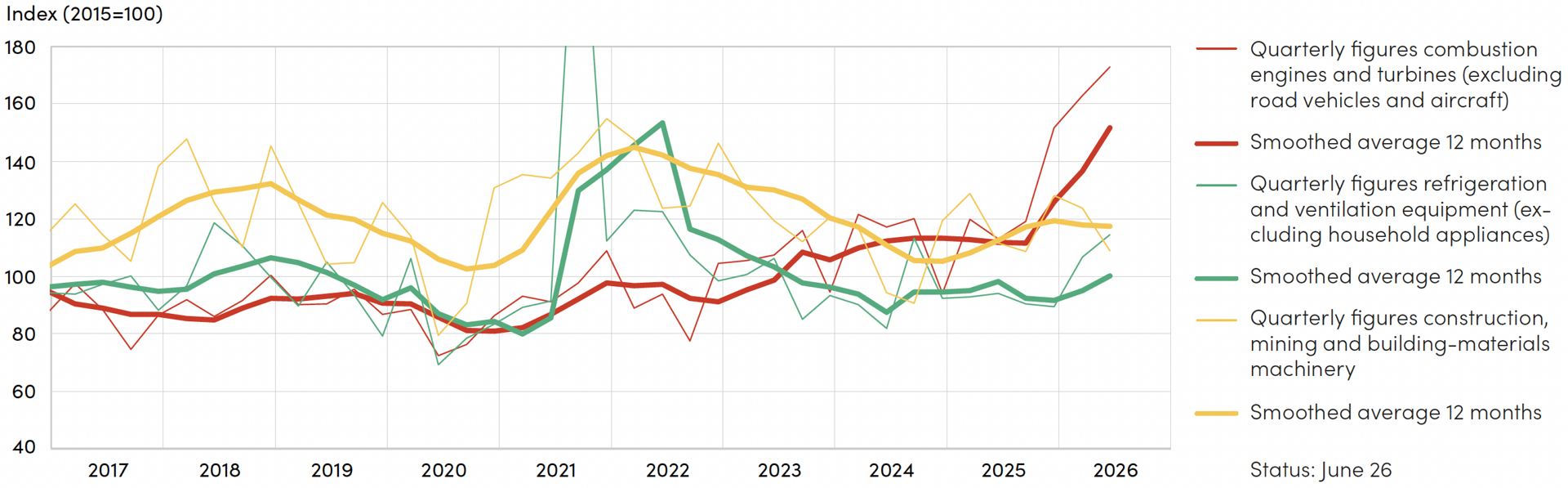
Figure 2: Real order intake among German manufacturers of internal combustion engines and turbines (excluding road vehicles and aircraft), refrigeration and ventilation equipment (excluding household appliances), and construction, mining and building-materials machinery
Source: Destatis data, illustration by hpo forecasting
The machine tool industry has been particularly hard hit by the crisis in the automotive sector. After 14 quarters of declining order intake, this late-cycle segment of mechanical engineering has now finally moved past its trough. Orders rose by 4.5% quarter on quarter and by 15.2% year on year. As a result, the 12-month moving average increased by 3.6% compared with the previous quarter, although it still remains around 30% below its 2022 level.
The textile machinery industry is traditionally a very early-cycle segment of mechanical engineering, so a more advanced recovery might have been expected by now. That has not happened. After around a year and a half of moving sideways at a very low level, the weakness in orders has recently become even more pronounced. In real terms, order volumes are now only around half the level recorded ten years ago.
German manufacturers ofplastics and rubber machinery have also experienced a sharp decline in demand since the pandemic-era peak in 2021. There are still no clear signs of a bottoming-out in the actual order data.
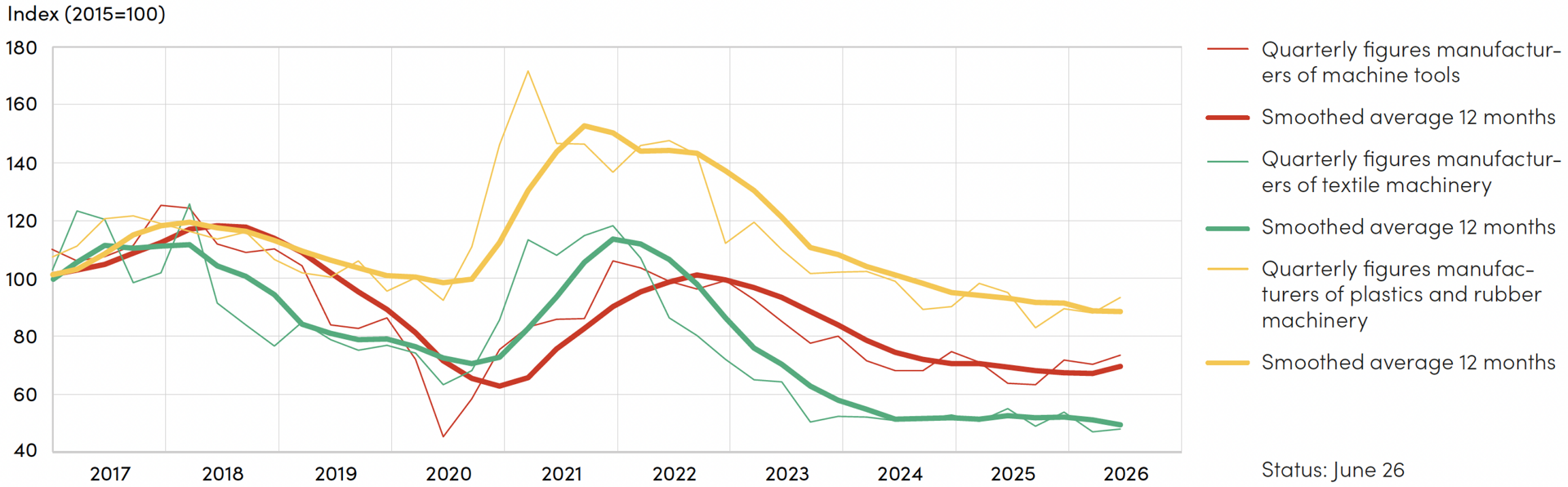
Figure 3: Real order intake among German manufacturers of machine tools, textile machinery, and plastics and rubber machinery
Source: Destatis data, illustration by hpo forecasting
The scale of this decline in demand can only partly be explained by cyclical factors. Structural forces are also at work. In both textile machinery and plastics machinery, Asian manufacturers have gained substantial market share in recent years. Even companies at the high end of the market, which face relatively little direct competition from Chinese suppliers, are feeling the pressure. Customers operating in premium segments or highly specialised niches tell us that they are increasingly encountering competition from other European companies in markets that had previously been relatively well protected. Those companies, are searching for new niches in which Chinese competitors have not yet established a presence.
Economic activity in Europe and the United States remains stable, but inflation is too high
Anyone following the daily headlines could be forgiven for thinking that the economy is in serious trouble. The Strait of Hormuz remains largely blocked, the oil price is stubbornly hovering around USD 90, and rising inflation is eroding household incomes.
Yet GDP growth remains broadly stable. In its latest estimate, published in July, the International Monetary Fund (IMF) continues to expect global GDP to grow by around 3.0% this year. Current forecasts put growth at 2.3% in the US and 0.9% in the eurozone.
By far the most important driver of US growth remains the huge volume of investment in AI infrastructure. At the same time, this is also the economy’s biggest risk should these investments prove unsustainable and come to an abrupt halt. The debate over whether this represents a vast speculative bubble or a lasting investment cycle is being fiercely contested. Even if it is a bubble, however, it could still take years to burst. From a cyclical perspective, we remain at the beginning of a longer and relatively stable recovery phase.
For central bankers, the main concern at present is less economic growth than inflation running well above 2% in both the United States and the eurozone. A number of developments suggest that inflation is likely to remain elevated over the coming quarters:
- As global oil reserves have been drawn down sharply during the Iran war and refinery capacity remains constrained, fossil fuel prices are likely to stay elevated for an extended period, regardless of whether the Strait of Hormuz reopens, as inventories will need to be replenished.
- The extreme summer heat is causing crop failures and pushing up food prices.
- The tighter labour supply resulting from the sharp fall in migration to the United States is likely to put upward pressure on wages there.
- The proliferation of trade barriers around the world is increasing import costs.
- For the first time since 2022, producer prices in China are rising again this year, which is likely to make Chinese exports more expensive.
There is still considerable debate over whether, to what extent and from when the hoped-for efficiency gains from the widespread use of artificial intelligence in the workplace will generate deflationary pressures. In any case, the financial markets are expecting interest rate rises rather than cuts in the coming quarters, as inflation is too high. In July, the inflation rate stood at 2.9% in the eurozone and 3.4% in the United States.
So far, higher inflation has left little mark on retail sales. In both Europe and the United States, sales have risen steadily since reaching their low point just over two years ago. In the second quarter, real retail sales grew by 1.9% year on year in Europe and by 1.3% in the United States. These important indicators therefore continue to track hpo forecasting’s long-term assumptions remarkably closely. In our view, this trend is likely to persist for some time and should continue to provide stability for the wider economy, even in an uncertain environment.
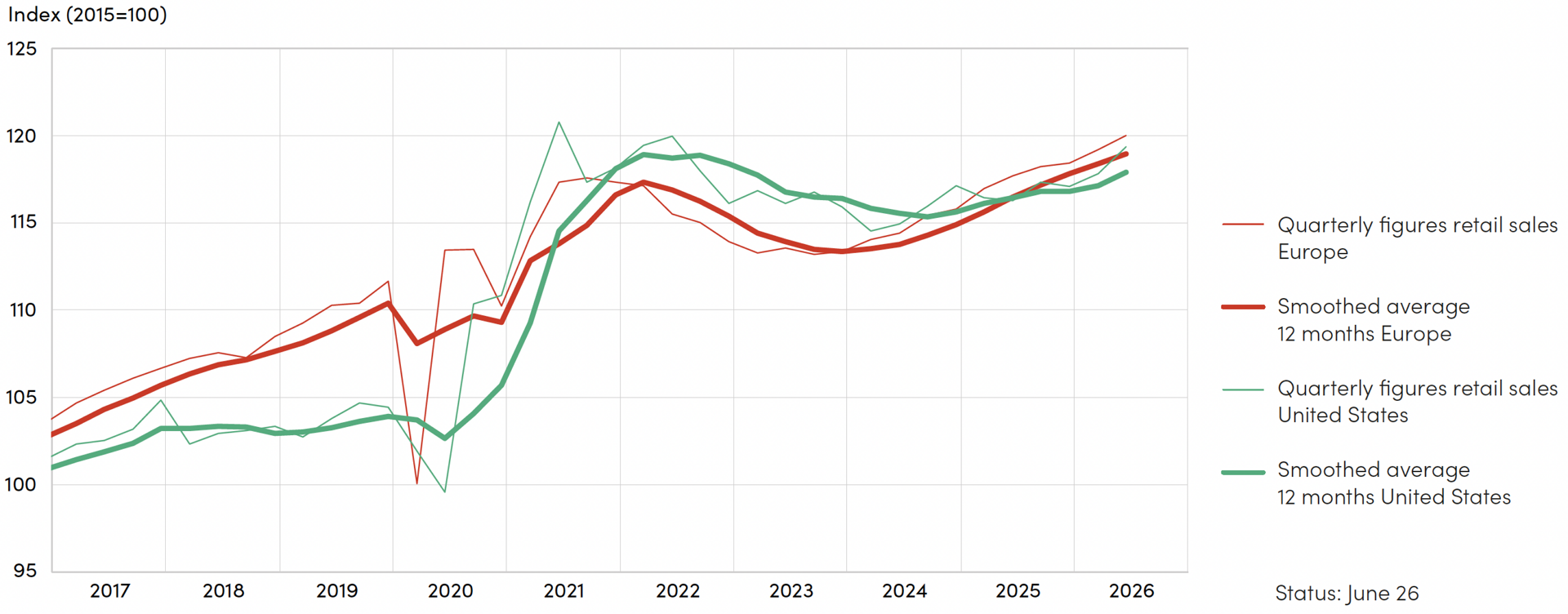
Figure 4: Real retail sales in Europe and the United States
Source: OECD data, illustration by hpo forecasting
Demand for passenger cars in Europe is picking up again
One factor providing support in Europe is the renewed momentum in the automotive sector. After six years of relatively subdued new registrations, 3.7 million vehicles were newly registered across the EU, EFTA countries and the United Kingdom in Q2 2026. This represents a strong increase of 8% year on year and, by a considerable margin, the highest quarterly figure since 2019.
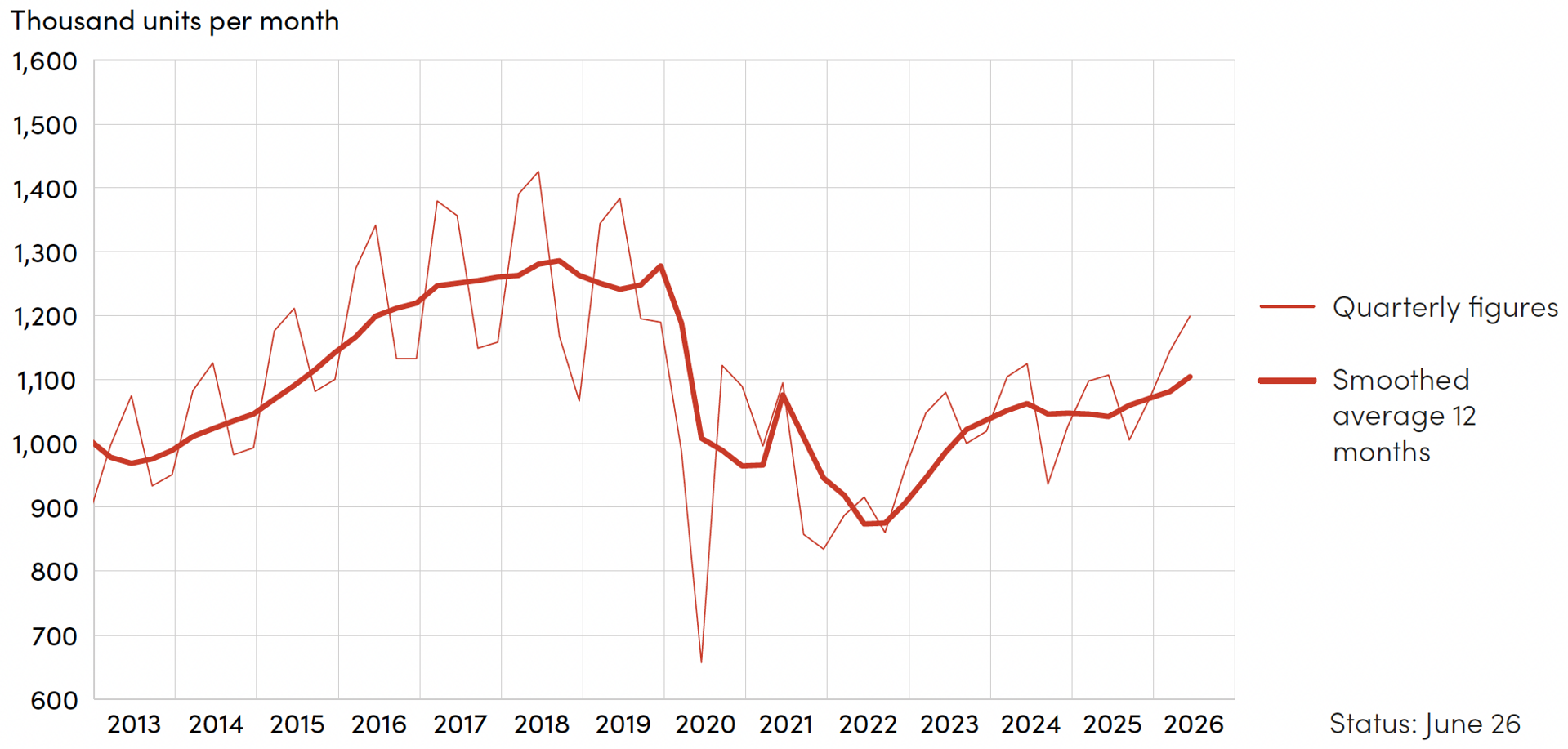
Figure 5: Monthly new passenger car registrations in Europe
Source: ACEA data, illustration by hpo forecasting
A supportive factor is the steadily rising average age of passenger cars in Europe. During the 2010s, the average vehicle was around 11 years old. According to calculations by the European Environment Agency, this figure had risen to around 12 years by 2022 and, according to the European Automobile Manufacturers’ Association (ACEA), has continued to increase since then. As a result, the need to replace Europe’s ageing vehicle fleet is growing. A large number of cars first registered between 2017 and 2019 will be approaching the end of their useful lives towards 2030, creating another significant wave of replacement demand. Demand is therefore likely to continue rising steadily until then.
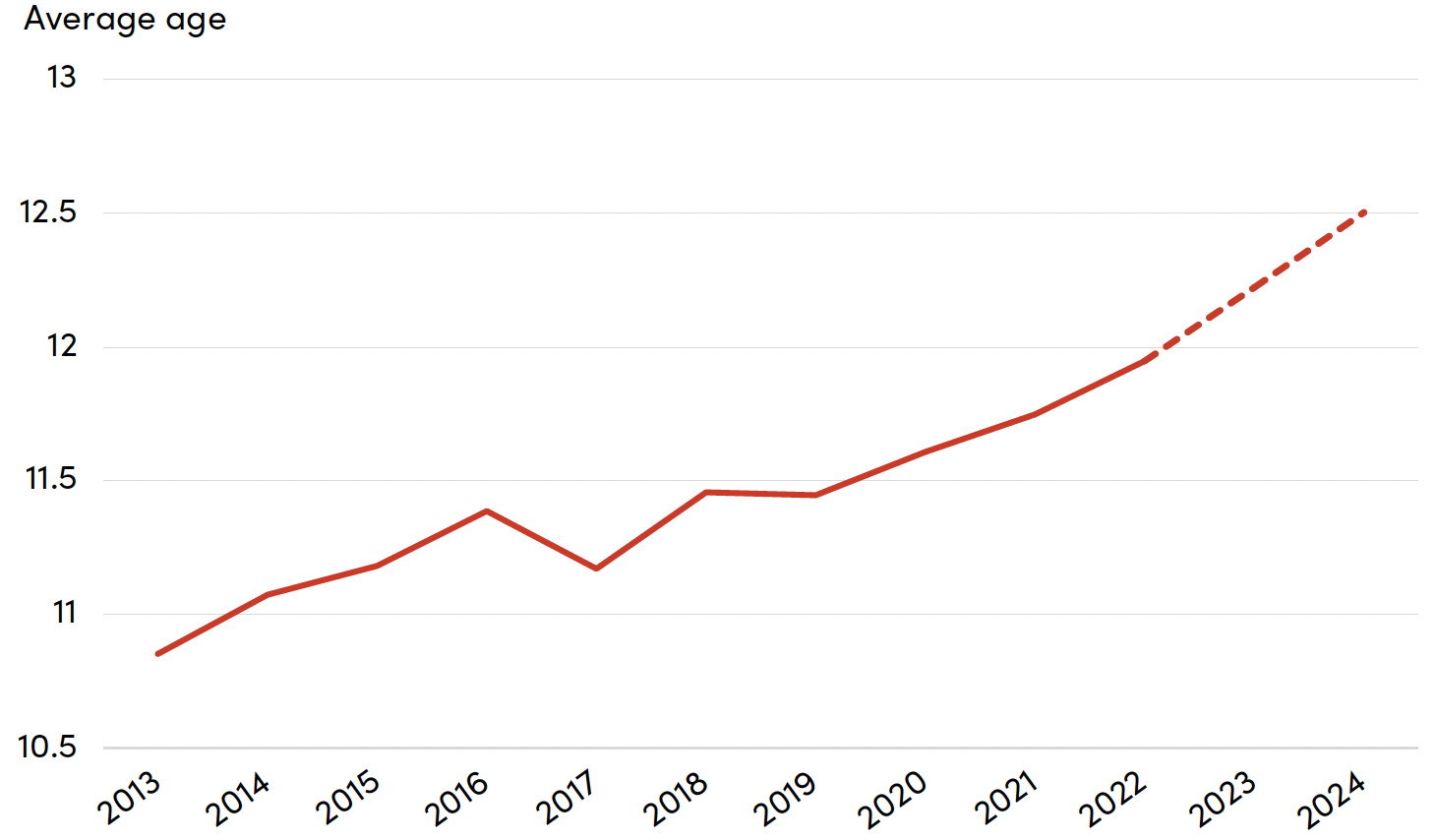
Figure 6: Average age of passenger cars in Europe
Source: ACEA and European Environment Agency data, illustration by hpo forecasting
The downside for Europe’s established carmakers is the rapidly growing competition from China. Rafael Jimenez Buendia and Ilaria Perla of the trade blog Soapbox estimate that in 2026 China will export more cars to Germany than Germany exports to China for the first time. German carmakers are coming under particularly strong pressure outside their domestic market.
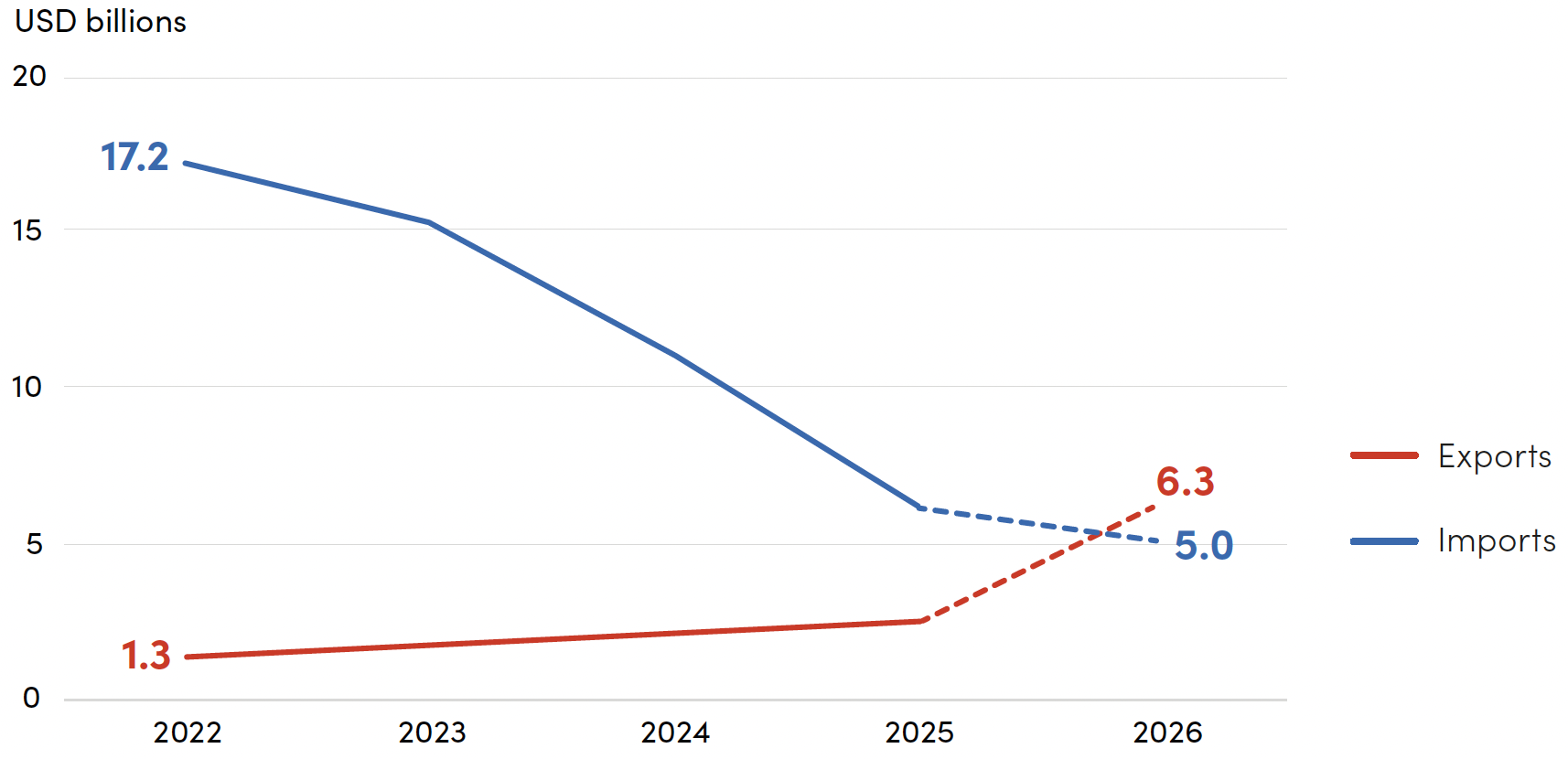
Figure 7: China’s automotive trade with Germany, in USD billions
Source: Raw data from the General Administration of Customs of China (GACC); chart and 2026 estimate by SOAPBOX/MERICS
According to ACEA, 1,007,742 passenger cars manufactured in China were imported into the EU last year. Most were Chinese brands, although the figure also includes vehicles produced in China by foreign manufacturers.
China-made vehicles accounted for the following shares of the EU market in 2025:
- 7% of all passenger cars
- 20% of all battery-electric passenger cars (BEVs)
Two years ago, the EU introduced countervailing duties on battery-electric vehicles imported from China. These range from 7.8% for Tesla to 35.3% for non-cooperating manufacturers, on top of the standard 10% import tariff. The measures prompted Western OEMs to shift more production to Europe. Despite the high tariffs, Chinese brands have nevertheless managed to keep their annual export volumes to the EU broadly stable at around 350,000 vehicles.
According to analysis by the European Federation for Transport and Environment, Chinese OEMs are now also shifting the assembly of battery-electric vehicles to Europe, with production expected to rise to 600,000 units by 2035. Since the President of the European Commission launched the anti-subsidy investigation in September 2023, ten planned production facilities have been announced. Turkey, Hungary and Spain are set to benefit by far the most from these investments.
China’s economic growth is slowing
The IMF expects China’s economy to grow by 4.6% this year, down from 5.0% in each of the previous two years. Other analysts put this year’s growth closer to 4%. Traditional industrial economies would welcome growth rates of this magnitude. For China, however, they are modest by historical standards, particularly given that living standards remain significantly lower. The outlook for next year is also becoming less favourable, with the IMF forecasting growth of just 4.1% in 2027.
Unlike in Europe, consumer spending is acting as a drag on the economy. In the second quarter, real retail sales declined year on year for the first time since the pandemic, falling by 0.9%. One important factor is the expiry last year of the government’s trade-in subsidy programme for older appliances and vehicles, which had provided a significant boost to spending on durable goods. The scheme is also likely to have brought some purchases forward.
For example, in the first half of this year, spending on motor vehicles fell by 12.6% compared with the same period last year, to CNY 1.97 trillion (USD 291 billion). According to data from the National Bureau of Statistics, this was the steepest decline of any consumer goods category.
Investment is also losing momentum. The property market has been in crisis for several years, and there is still no clear sign that it has reached the bottom. In July, residential property sales fell by a further 18.3% year on year.
What is new is that, against the backdrop of substantial industrial overcapacity, fixed-asset investment is now also contracting. Until mid-2025, investment had been growing at around 4% a year for an extended period. Since then, the growth rate has collapsed. In June, investment fell by 5.7% year on year.
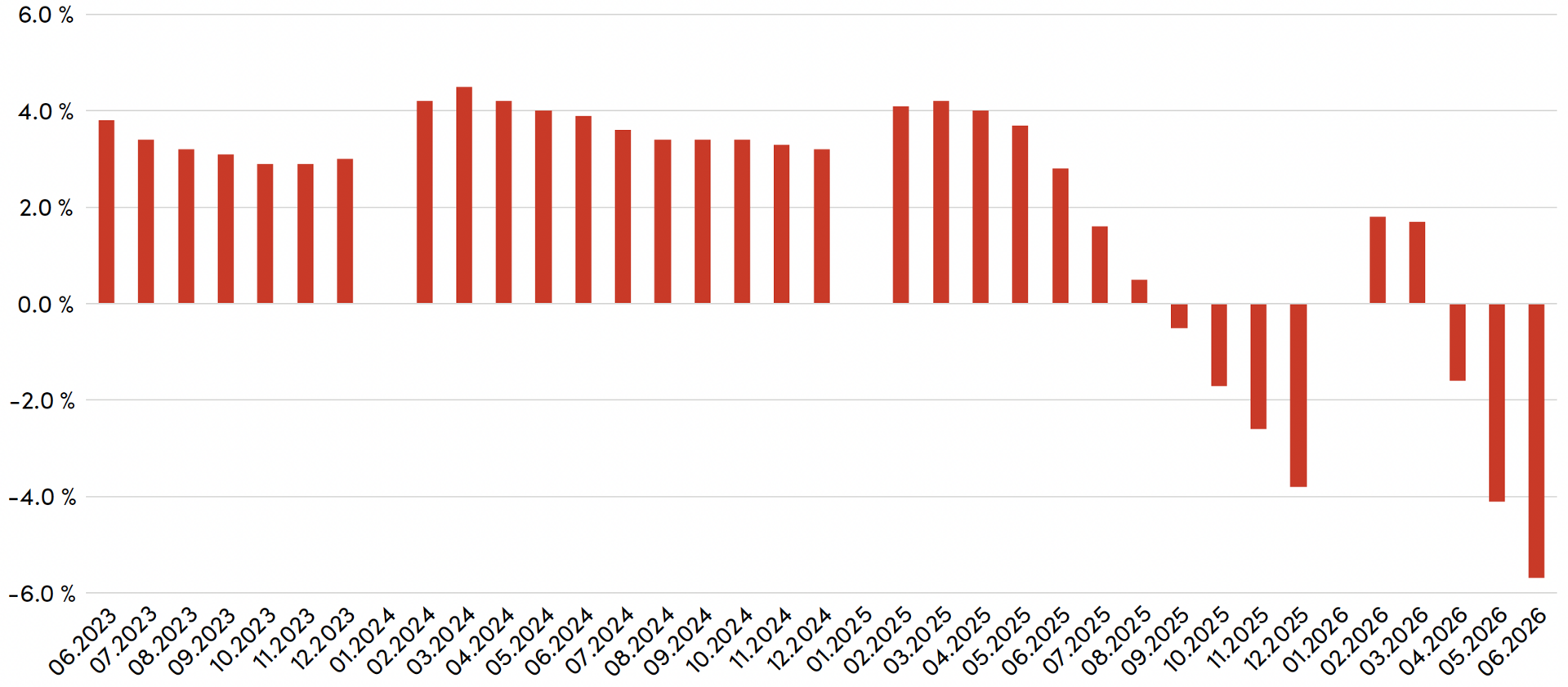
Figure 8: Fixed-asset investment in China (year-on-year change; no figures are published for January)
Source: National Bureau of Statistics data, illustration by hpo forecasting
Exports are now the only major engine of growth in China, and they have shifted up another gear. Year-on-year export growth reached 19.4% in May, 27.0% in June and 23.9% in July. A year earlier, growth rates were still in the mid-single digits. Export growth has therefore accelerated dramatically, while China’s trade surplus continues to widen.
This is placing manufacturers in the rest of the world under increasing pressure and prompting a growing backlash, not only in the United States and the EU, but increasingly in emerging markets seeking to protect their own industries from China’s overwhelming competitive strength. WTO trade monitoring clearly shows that protectionist measures are proliferating rapidly around the world. In recent years, the value of global imports affected by newly introduced trade-restrictive measures has multiplied to USD 2,385 billion.
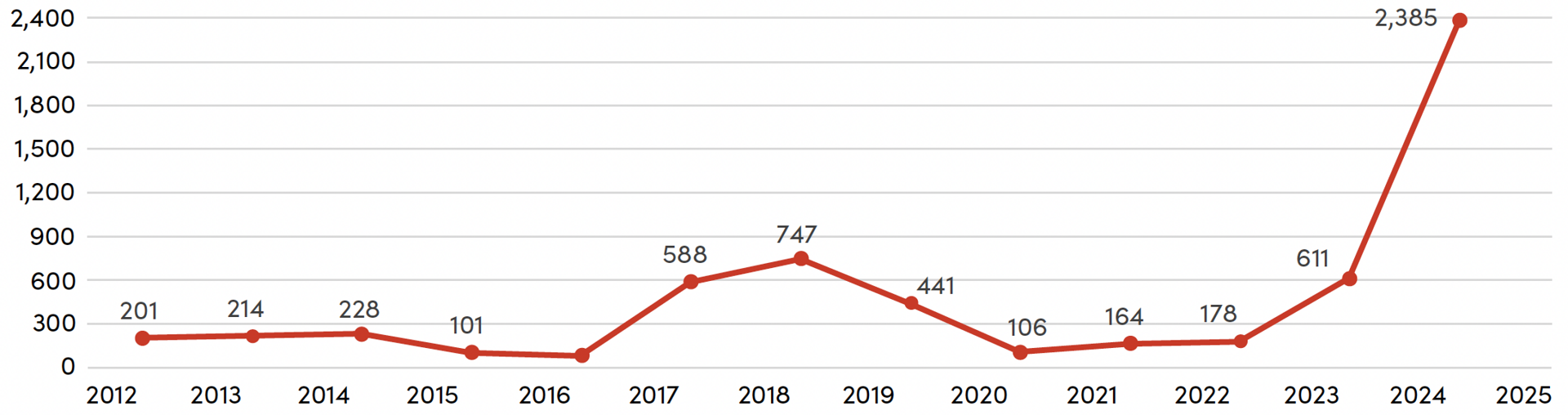
Figure 9: Global imports affected by new trade measures, in billions of US dollars (from mid-October to mid-October of the following year in each case; the final data point covers only the period from mid-October 2024 to May 2025)
Source: WTO Trade Monitoring
Countervailing tariffs on China are a double-edged sword
Despite continued economic growth, industry remains under pressure from intense competition, and calls for far-reaching trade policy measures against China are becoming louder.
The Industrial Accelerator Act (IAA) proposed by the European Commission is currently being debated in the European Parliament, with a political decision targeted by the end of the year. Among other things, the IAA includes proposals for “Made in Europe” requirements and preferential treatment for European suppliers in public procurement and support programmes.
The German Mechanical Engineering Industry Association (VDMA) is making similar arguments. In its new position paper on China, it calls, on the one hand, for measures to strengthen Europe’s competitiveness. These include important steps such as reducing bureaucracy, lowering the tax burden and concluding further free trade agreements. On the other hand, under the heading of “fair competition in the single market”, it is calling for the determined use of countervailing duties in cases involving subsidies, dumping and currency manipulation. For Chinese suppliers, the VDMA even proposes reversing the burden of proof in countervailing duty cases. In other words, Chinese companies would have to demonstrate that they are not benefiting from measures that distort competition. The German Economic Institute (IW) and other prominent voices across several countries are also calling forcefully for countervailing duties on Chinese imports.
The case for such duties is understandable. However, they would also bring a number of unintended consequences:
- Chinese companies are not only competitors, but also important suppliers of intermediate goods. Countervailing duties on these inputs would raise costs for European industrial companies and weaken their competitiveness in global markets.
- As the trade conflict with the United States has already shown, China is unlikely to hesitate before retaliating. Its dominant position in the production of critical raw materials such as lithium, tungsten and gallium gives it considerable leverage. A recent survey by the IW of around 900 companies that source critical raw materials from China either directly or indirectly found that 61% fear production delays or even shutdowns if China were to tighten its export restrictions. According to the IW, the metals and electrical industries as well as automotive manufacturing would be particularly exposed. Before Europe provokes a trade conflict with China, it should therefore consider carefully whether it is in a position to sustain one.
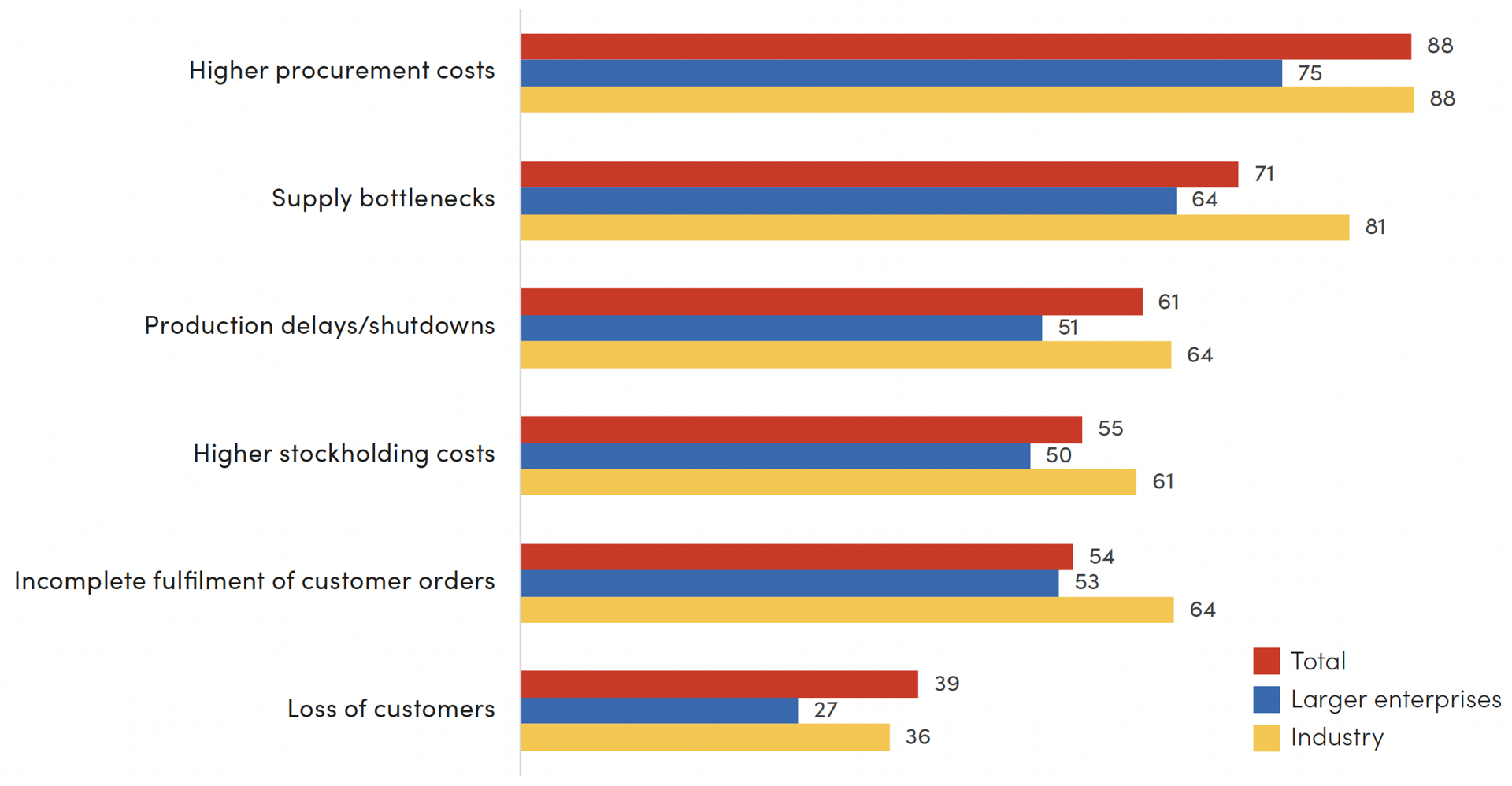
Figure 10: Critical raw materials from China – what companies fear from an export ban (Proportion of companies that source critical raw materials directly or indirectly and would be significantly or fairly significantly affected by the relevant consequence, as a percentage of the companies surveyed)
Source: German Economic Institute (IW), IW-Trends No. 2
Source: German Economic Institute (IW), IW-Trends No. 2
- Countervailing duties can shield European companies from some competition within the European market. Outside Europe, however, that protection is of no value. Reduced competitive pressure at home could even weaken incentives for genuine innovation, leaving European suppliers less competitive in global markets over time.
- Consumers ultimately bear the greatest cost of trade barriers through higher prices. Import tariffs reduce overall economic welfare.
There is no avoiding the fact that European industry must compete with suppliers from the Far East. Europe’s most urgent priority is therefore to improve its own business environment, as the VDMA also argues. There remains considerable untapped potential in this area, as set out in detail in the Draghi Report.
Although calls for countervailing duties are understandable under the current circumstances, they will only rarely provide the answer to the challenges facing globally active Western industry and may instead create additional problems.
Such measures can be justified in specific cases, for example where security-related dependencies need to be reduced or statutory quality standards in the domestic market need to be enforced, particularly once other options have been exhausted. Even then, however, they should be used as selectively and sparingly as possible in order to minimise losses in economic welfare. Competitiveness is not built through protectionism, but by facing up to competition.

Your forecasting experts
Who is hpo forecasting?
hpo forecasting produces industry- and company-specific order intake forecasts for the industry. With well over 200 industry forecasting models worldwide, hpo forecasting covers numerous market segments for capital goods and consumer durables. The forecasts are individually configured for companies. They are based on the Peter Meier Forecasting Model, a scientifically based method that has been empirically tested for over 20 years and is constantly being further developed.
hpo forecasting – predicting business